Dominican Wedding Traditions: A Guide to Island Heritage and Modern Trends
Explore vibrant Dominican wedding traditions, from the 13 gold coins (Las Arras) to the Hora Loca. Learn about costs, legalities, and 2025-2026 trends.
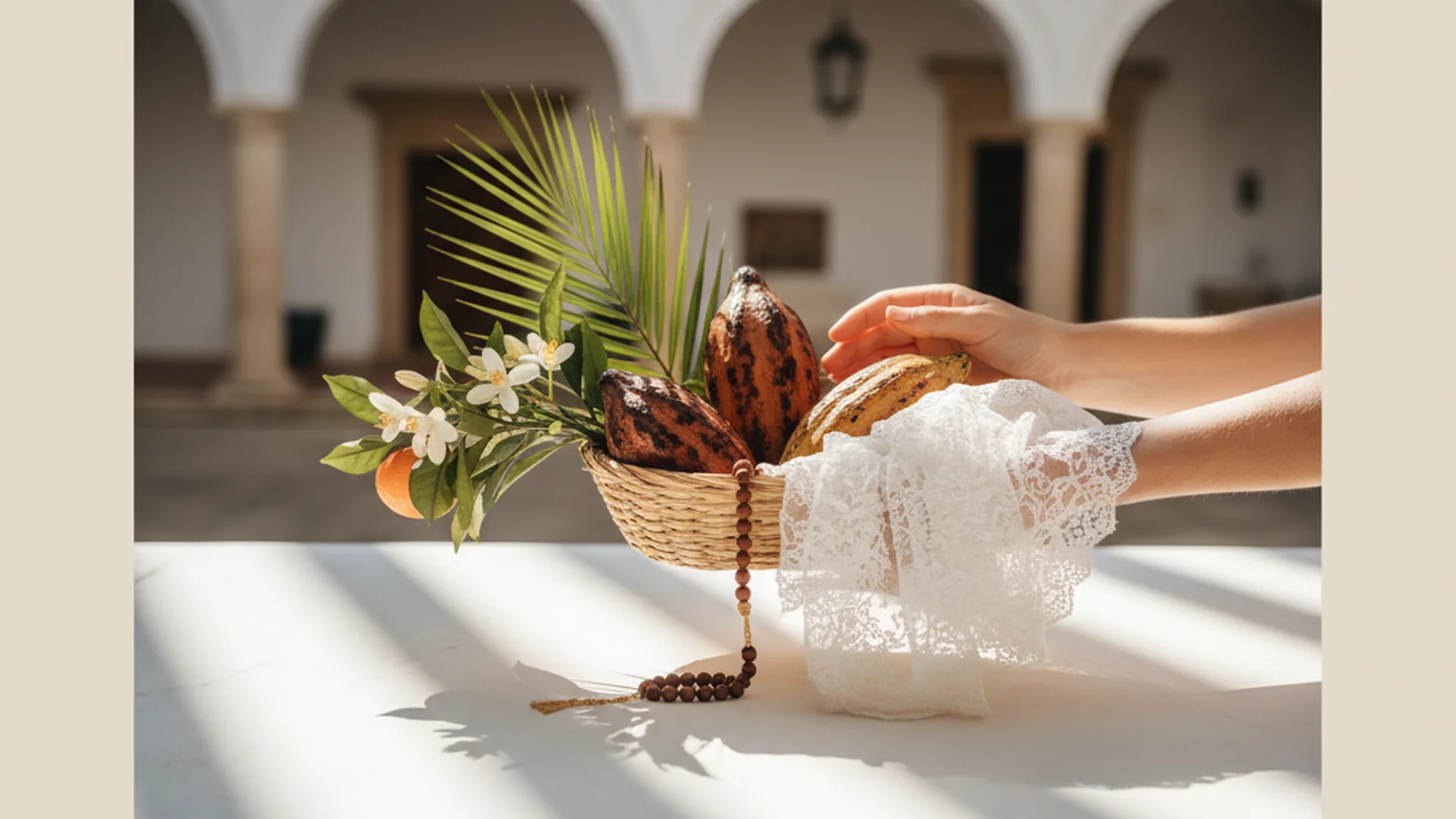
- Understand the vital role of 'Padrinos' and 'Las Arras' in Dominican culture.
- Navigate the logistics of the
- Discover 2025 trends like multi-day retreats and the 'Hora Loca' celebration.
Dominican wedding traditions are a vibrant fusion of Spanish heritage, Afro-Caribbean rhythms, and deep-seated family values. Whether you are planning a destination wedding in the turquoise waters of Punta Cana or exploring your cultural roots in the historic streets of Santo Domingo, understanding these customs is essential for a meaningful celebration. As the Dominican Republic continues to hold its position as the top wedding destination in the Caribbean, couples are increasingly looking to blend ancient symbolism with modern luxury.
The Cultural Significance of Dominican Nuptials
At the heart of every Dominican wedding is the concept of familia. Unlike many Western cultures where the focus is strictly on the couple, a Dominican ceremony is a union of two lineages. This is reflected in the roles assigned to family members and the length of the celebrations. The influence of the Catholic Church remains strong, even in non-religious ceremonies, manifesting in specific rituals that symbolize trust, providence, and spiritual guidance.
For those planning a cross-cultural celebration, it is helpful to look at how other regions handle their heritage. For instance, Jamaican Wedding Traditions share a similar Caribbean warmth but differ significantly in their culinary and religious specifics.
Key Ceremonial Traditions
The Role of the Padrinos (Godparents)
One of the most distinct Dominican wedding traditions is the absence of a traditional large "bridal party" in the American sense. Instead, the ceremony centers on the Padrinos—the godparents of the wedding.
Traditionally, the groom’s mother serves as the Madrina (Godmother) and the bride’s father serves as the Padrino (Godparent). They do more than just stand at the altar; they act as official witnesses and spiritual mentors for the marriage. In modern 2025 ceremonies, some couples are expanding this to include other influential elders, but the focus remains on honoring those who raised them.
Las Arras: The 13 Gold Coins
During the exchange of vows, the groom presents the bride with Las Arras—13 gold coins that have been blessed by a priest or officiant. This tradition, inherited from Spain, holds two meanings:
- Providence: The groom pledges his commitment to provide for the household.
- Mutual Trust: The bride, by accepting the coins, pledges to manage the household resources with care and trust.
The number 13 represents the 12 months of the year plus one extra as a gift for the poor, ensuring that the couple’s prosperity is shared with their community.
Note
The Cantada
While less common in high-traffic resort weddings, the Cantada is a beautiful musical tradition where a soloist or a group of family members sings religious or romantic hymns throughout the ceremony. Music is the lifeblood of the Dominican Republic, and incorporating live vocalists adds a layer of emotional depth that a playlist cannot replicate.
Planning Logistics and Best Practices
The Dominican Republic is currently the #4 wedding destination worldwide, which means the infrastructure for weddings is world-class but can also be highly competitive.
The "Golden Hour" Timeline
Photography is a priority for modern couples, especially with the rise of social media. Experts recommend scheduling beach ceremonies between 4:00 PM and 5:30 PM. This "Golden Hour" provides the softest lighting for the vows and ensures that family portraits are finished just as the sun sets, providing a stunning natural backdrop without the harsh glare of the midday tropical sun.
Legal vs. Symbolic Ceremonies
A common point of confusion is the legality of the ceremony. In the Dominican Republic, you can have a Civil Ceremony (legal) or a Symbolic Ceremony.
| Feature | Civil Ceremony | Symbolic Ceremony |
|---|---|---|
| Legality | Legally binding in U.S./Canada | Not legally binding |
| Officiant | Government Official (Juez Civil) | Friend, Pastor, or Resort Staff |
| Residency | Must be in country 3 business days | No residency requirement |
| Paperwork | Requires apostilled/translated docs | None required locally |
Heads up
The High-Energy Dominican Reception
If the ceremony is about tradition, the reception is about pure, unadulterated joy. Dominican receptions are famous for their duration and energy, often lasting until 3:00 or 4:00 AM.
The Hora Loca (The Crazy Hour)
Around midnight, just as the energy might start to dip, the Hora Loca begins. This "Crazy Hour" involves hiring professional performers—often stilt walkers, carnival dancers in traditional Diablos Cojuelos costumes, and drummers. Guests are given masks, whistles, and glow sticks. It transforms the wedding into a mini-Carnival and is often the most talked-about part of the night.
Tip
Authentic Culinary Delights
While resorts offer international menus, authentic Dominican wedding traditions demand local flavors. Couples in 2025 are increasingly requesting "Traditional Corners" at their buffets featuring:
- Sancocho: A hearty meat and vegetable stew served late at night to "refuel" dancers.
- Mangú: Mashed plantains, often served at the "Recovery Brunch" the following morning.
- Dominican Cake: A moist, airy sponge cake with pineapple jam filling and Italian meringue frosting (suspiro).
From the OurVows workspace
Planning a wedding is a lot. We make it feel like less.
Checklist, budget, guest list, and a wedding website — together in one free workspace built for both of you.
Emerging Trends for 2025–2026
As we look toward the 2025 and 2026 wedding seasons, Dominican wedding traditions are evolving to meet the needs of a more eco-conscious and tech-savvy generation.
Multi-Day Wedding Retreats
The single-day event is becoming a thing of the past. Modern couples are hosting 3–4 day experiences. A typical itinerary includes a welcome "White Party" on the beach, a catamaran excursion to Saona Island, the wedding day itself, and a "Barefoot Brunch" to close the weekend. This allows guests traveling from abroad to feel the trip was a full vacation rather than a 24-hour event.
Eco-Luxury and Sustainability
Sustainability is the biggest shift for 2026. This includes "zero-waste" catering and the use of locally sourced florals like hibiscus, ginger lilies, and orchids rather than importing roses. Couples are also choosing "barefoot-luxe" attire—high-end suits and gowns made from breathable, sustainable fibers like organic linen and silk.
The Rise of Wedding Content Creators
While traditional photography remains essential, many couples are now hiring Wedding Content Creators. These professionals capture raw, behind-the-scenes iPhone footage designed specifically for TikTok and Instagram Reels. This allows the couple to post high-quality "social-first" content within 24 hours of the wedding, while they wait weeks for their professional gallery.
Common Mistakes to Avoid
Even with the best intentions, planning a wedding in a foreign country can lead to pitfalls. Here are the most common errors seen in Dominican destination weddings:
- Ignoring the "Vendor Fee": Many all-inclusive resorts charge a fee (ranging from $500 to $1,000) if you bring in an outside photographer or makeup artist. Always check your contract before booking external pros.
- Underestimating the Heat: While a heavy satin gown looks beautiful, the humidity of the Dominican Republic is unforgiving. Advise your guests on "beach-chic" attire and provide hand fans at the ceremony site.
- Language Barriers: While resort staff speak English, the government official performing a legal ceremony may speak only Spanish. Ensure your wedding planner can facilitate a translation so you understand the legal declarations you are making.
- The "First Look" Myth: In many Western cultures, it's "bad luck" to see the bride before the ceremony. However, in Dominican culture, it is common to take formal photos before the vows. This allows the couple to actually enjoy their cocktail hour with guests.
Do this
Frequently asked questions
Is a Dominican wedding legal in the U.S. or Canada?
What exactly are "Padrinos"?
What is the "13 Gold Coins" tradition?
How long do Dominican wedding receptions usually last?
What should guests wear to a Dominican wedding?
Conclusion
Embracing Dominican wedding traditions means leaning into a world of vibrant color, deep family bonds, and a party that never seems to end. From the sacred exchange of Las Arras to the high-octane energy of the Hora Loca, these customs create an experience that is both spiritually grounded and immensely fun.
If you are just beginning your planning journey, using tools like a Wedding Budget Calculator or a Wedding Checklist Generator can help you stay organized as you navigate the unique requirements of a Caribbean celebration. Whether you choose a clifftop in Samaná or a sky terrace in Cap Cana, your Dominican wedding will be a testament to the beauty of island heritage.
Ready when you are
Ready to Start?
Begin planning your dream Dominican celebration today with our expert tools.
Ready when you are
Plan your wedding without the chaos.
Free forever for couples just getting started. Two minutes to set up. No credit card.
Keep reading
The Ultimate Guide to Bangladeshi Wedding Traditions: Rituals, Fashion, and 2025 Trends
Explore the vibrant world of Bangladeshi wedding traditions. From Gaye Holud rituals to 2025 pastel fashion trends and modern tech-integrated celebrations.
The Ultimate Guide to Moroccan Wedding Traditions: Rituals, Style, and Modern Trends
Discover the vibrant world of Moroccan wedding traditions. From the seven bridal outfits to the grand Amariya procession, explore rituals, costs, and 2025 trends.
Persian Wedding Traditions: A Guide to the Symbols, Rituals, and Modern Trends
Explore the rich history and vibrant rituals of Persian wedding traditions. From the Sofreh Aghd to the Knife Dance, learn how to plan a modern Aroosi.